
THE MERIDIAN GROUP
BUILDING A BRANDED HOUSE PLATFORM TO MAXIMIZE VALUE FOR A FUTURE EXIT
A fragmented portfolio of six commercial services brands was impacting growth and quietly capping the company’s future value. The owner’s goal wasn’t a logo refresh, it was building a single, sellable platform to enable long-term growth and that a buyer would pay a premium for.

THE CHALLENGE
Six disconnected commercial services companies. One future-focused, visionary owner. And a value problem hiding in plain sight.
Meridian had grown the way many service companies often do: by addition. Commercial architecture, kitchen equipment installation and maintenance, custom millwork, commercial property maintenance, roofing, and construction.
A new acquisition came with a new name, a new logo, and a new set of services to sell. Over time that left six separate identities operating under one holding company. Each division was its own brand, built in isolation with its own equity, its own look, and its own story. From the inside it felt like range. From the outside it looked like fragmentation.
That distinction mattered, because the owner’s real goal was never a logo refresh. It was to prepare for a future exit. But a fragmented portfolio doesn’t get valued like a conglomerate; it gets valued like a yard sale. A buyer viewing six small, disconnected brands sees six small businesses to untangle, six risks to price in, and a massive discount to apply. The work wasn’t cosmetic, it was financial and future-focused.

THE INSIGHT
Brand architecture isn’t a design decision. It’s a valuation decision wearing a designer’s clothes.
The thing most owners miss (and the thing that reframed this entire engagement) is that how a business is structured and named directly shapes what a buyer will pay for it. Six companies each turning a modest profit, sold as scattered parts, command modest multiples. Consolidate them into a single platform with one P&L, one brand, and one coherent story, and the same revenue suddenly justifies a higher multiple. The math changes before a single operational improvement is made.
That’s multiple expansion, and it’s the rare lever where the branding work and the financial outcome are the same move. But getting there honestly meant building the new brand from the ground up, not just drawing a new logo over six old ones. This wasn’t choosing a brand strategy and then hoping it would sell. This was using brand architecture as the instrument to build sellable enterprise value.
THE APPROACH
I built one unified brand out of six, but I started with the buyer, instead of the logo.
Before touching identity, I examined how a buyer might actually value Meridian: what reads as risk, what reads as durable value, and where six names were quietly costing the owner leverage at the table. That lens drove the architecture decision to pressure-test a full branded house against an endorsed model and the status quo, each weighed against one question: which structure makes this business worth more to a buyer?

From there, I built it on evidence, not instinct.
Researched all six markets. Each sub-brand lived in a distinct commercial or professional services category, so I performed market research across all six — sizing the opportunity, mapping the buyers, and understanding what actually drives decisions in each. A unified brand can’t paper over six markets it doesn’t understand.
Studied the competition. I analyzed the competitive landscape in every category to get a clear picture of how rivals positioned, where they looked identical, and where the white space sat. Consolidation only creates value if the new platform stands for something the field doesn’t already own.

Read the trends. I pulled the market and category trends shaping where these industries are heading, so the brand would be built for where the business is going, not where it had been.
Crafted the brand strategy. All of it laddered into a single platform strategy — positioning, value proposition, and a narrative built to do double duty: resonate with customers and reinforce the value thesis a buyer would underwrite.

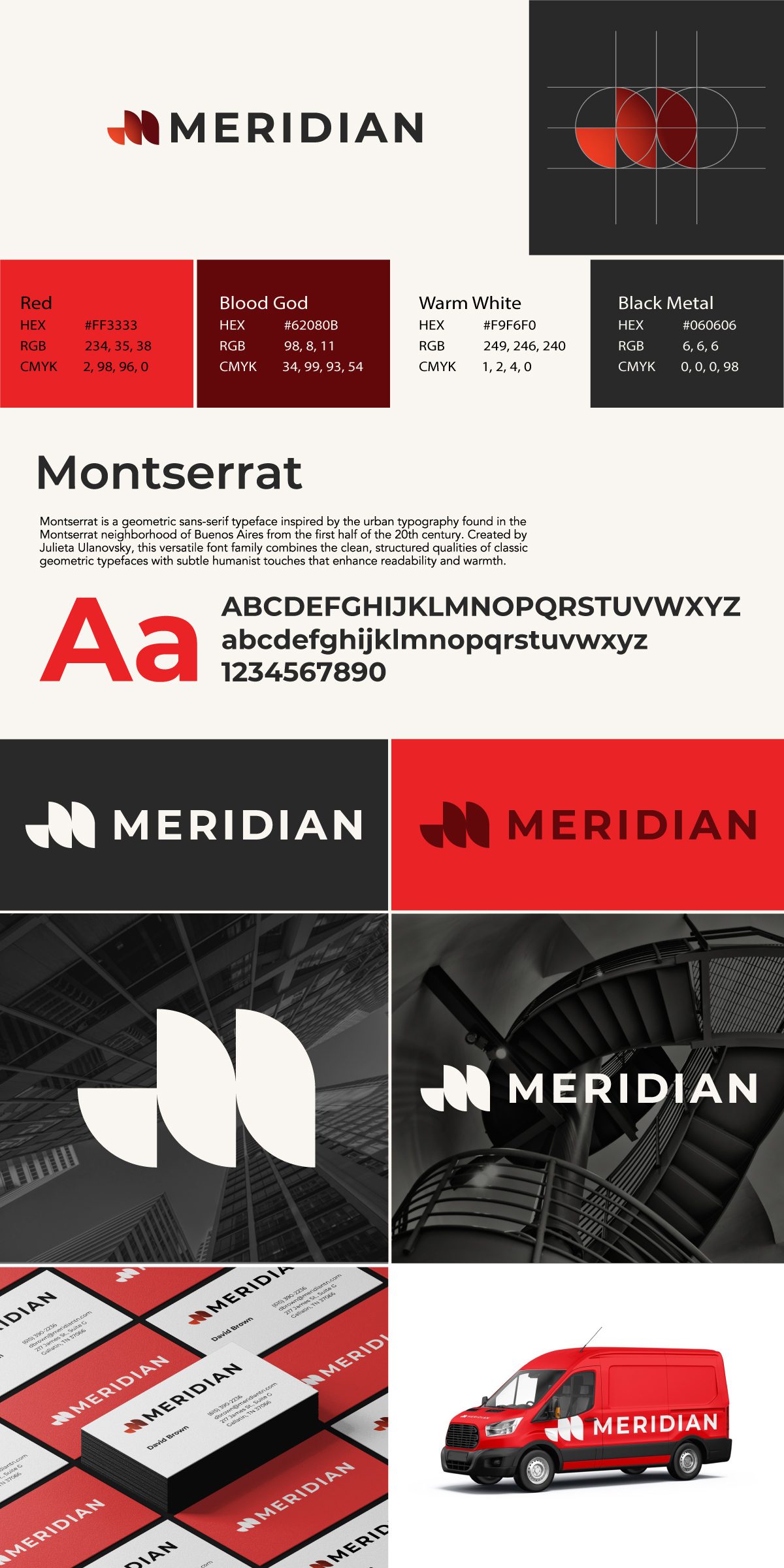
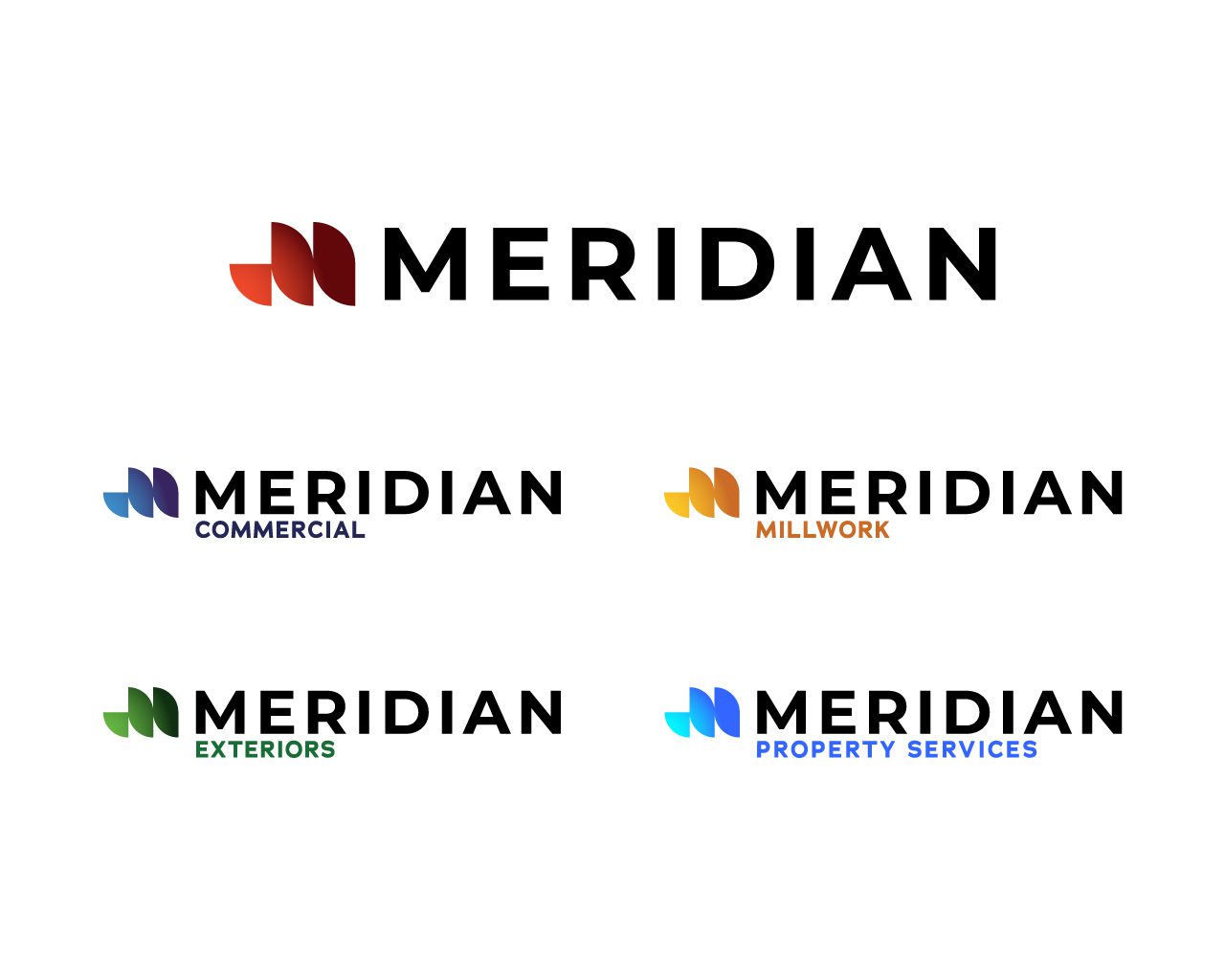
Created one unified identity. Next, I threw out the six-brand fragmentation model and built a single, coherent brand identity to carry all six categories under one platform: one name, one system, and one look that reads as scale instead of category sprawl.
Built the guidelines. Finally, I codified the whole system into brand guidelines, so the identity holds up consistently across every category, channel, and touchpoint — and so a buyer inherits a disciplined, ready-to-run brand, not a folder of loose files.

WHAT WAS DELIVERED
- Market Research. Category analysis across all six commercial and professional services markets
- Competitive Intelligence. Positioning and white-space mapping in every category
- Brand Strategy. Platform positioning, value proposition, and narrative
- Brand Development. The unified platform brand, built from the research up
- Brand Identity. A single, coherent visual system for all six categories
- Brand Guidelines. Standards to hold the identity consistent across every touchpoint
- Marketing Strategy. The go-to-market plan to bring the platform to market
- Creative Platform. The unifying big idea the six brands now share, built to flex across every category
- Messaging. Platform-level messaging and copy that gives the brand one voice in every market
- B2B Sales Toolkit. Sales-ready assets to turn the brand into pipeline
THE OUTCOMES
A six-brand portfolio became a single platform company built to sell, not just built.
The engagement gave The Meridian Group what fragmentation never could: one researched, defensible identity, one story, and a brand system disciplined enough to command a premium when the owner moves toward exit. The architecture now works in service of enterprise value, and the whole is worth more than the scattered parts. That was always the point.
FREE MARKETING CONSULTATION
Ready to talk?
Thirty minutes. No pitch deck.
Just an honest conversation about your goals.
DISCLAIMER
The case studies, brand assets, campaign materials, and creative work displayed in this portfolio were produced during the course of professional engagements as a contractor, consultant, or agency representative. All trademarks, logos, brand identities, and associated intellectual property displayed herein are the exclusive property of their respective owners.
This portfolio is intended solely for the purpose of demonstrating professional capabilities, creative contributions, and strategic marketing experience to prospective clients and employers. No endorsement by, or affiliation with, any featured brand or organization is implied or should be inferred.
All work-for-hire projects were completed under contractual agreement. Intellectual property ownership, as applicable, resides with the commissioning client in accordance with the terms of those engagements. Display of this work does not constitute a claim of ownership over any featured brand assets or creative deliverables.
Confidential or proprietary information has been omitted or generalized where required by non-disclosure agreements or client confidentiality obligations.